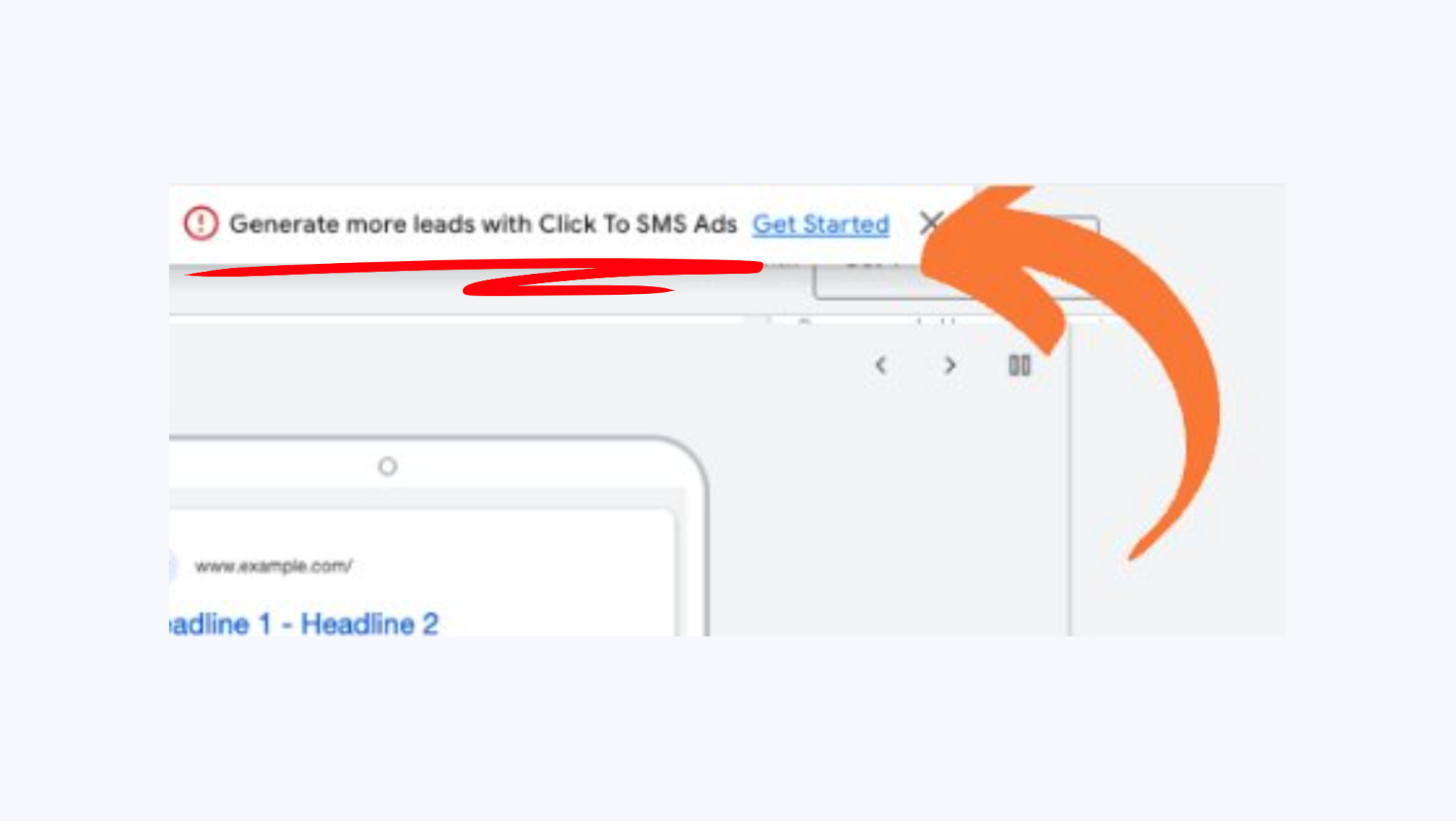
On October 7, Google Ads started pushing message leads harder in our accounts. The interface now lists SMS messages via Google Messages alongside WhatsApp, Messenger, Zalo, and Line as message asset options, and a banner invites us to “Generate more leads with Click To SMS Ads.” We posted it that day: see the post
SMS joined the message asset lineup earlier in the year, and the Google Messages option appeared in September. The October push is the part that matters: Google is actively steering advertisers toward text as a lead channel, with a preview card, a “Send message” button, and a completion-rate pitch.
There is also a checkbox in the setup flow. Ticking “optimize your campaign for message ads” makes the Send message conversion goal an account default. That is not a small detail.
What This Means for Law Firms
Text leads arrive fast and convert differently. Someone who will not call a law firm from a hospital bed will send a message, and speed-to-lead matters more in text than in any other channel. Firms that answer texts like emails will lose them.
The compliance load is heavier than any other lead type. Click-to-SMS is consumer-initiated, which is a reasonable consent posture, but everything after the first message is where exposure lives. Follow-up sequences, reminders, and re-engagement need documented consent, working opt-outs, and a record of when consent was given. The TCPA does not care that the lead came from a Google ad.
Legal adds its own layer. A text to a prospective client is a solicitation, and some states restrict direct solicitation of accident victims within a set window. Texting a message that reads like a case evaluation can look like advice. And the conversation itself carries sensitive details that a firm may not want living in an SMS thread.
The conversion-goal checkbox is the quiet risk. Making “Send message” an account default can pull bidding and reporting toward a lead type that has not been proven for the firm. If text leads sign at half the rate of calls, an account optimizing for messages will look busy and produce fewer cases.
Our Take
Text is a legitimate channel for legal, and we expect it to grow. The firms that do it well will be the ones that treat it as intake, not as messaging: a named owner, a response standard, and a documented consent trail.
The default conversion goal is where we push back. Google’s setup flow makes it one click to change what the whole account optimizes for, and the change is described as an optimization rather than a redefinition. We will not let a checkbox decide that for a client.
We are testing click-to-SMS, on one campaign, with the conversion goal scoped rather than global, and with the CRM recording consent, opt-outs, and outcomes. If the signed-case rate holds up, we scale it. If it does not, we will have learned that cheaply.
What ADSQUIRE Is Doing
We are treating SMS as a lead type with its own rules. That means:
- Reviewing whether message assets should be enabled per campaign, not by account default
- Confirming consent capture, opt-out handling, and quiet-hours compliance before any text sends
- Keeping the Send message conversion goal scoped so it does not redefine account bidding
- Routing text leads to a named intake owner with a response-time standard
- Recording text leads in the CRM with consent, source, and outcome
- Comparing text-to-signed-case rates against calls and forms before scaling budget
- Reviewing message copy and any automated replies against state solicitation rules
For law firms, the question is not whether text leads are cheap. It is whether they become cases, and whether the trail is clean.
Conclusion
Google is pushing click-to-SMS into legal accounts, and it is built to be easy to turn on. The harder work is everything after the tap: consent, speed, solicitation rules, and a conversion goal that does not quietly rewrite the account.
Text leads are not better or worse than calls. They are different, and they carry more compliance weight per lead than anything else in the account.