A recent Local Services Ads (LSA) dispute highlights an issue that many advertisers worry about but rarely see confirmed: a law firm being charged for a call from an existing client.
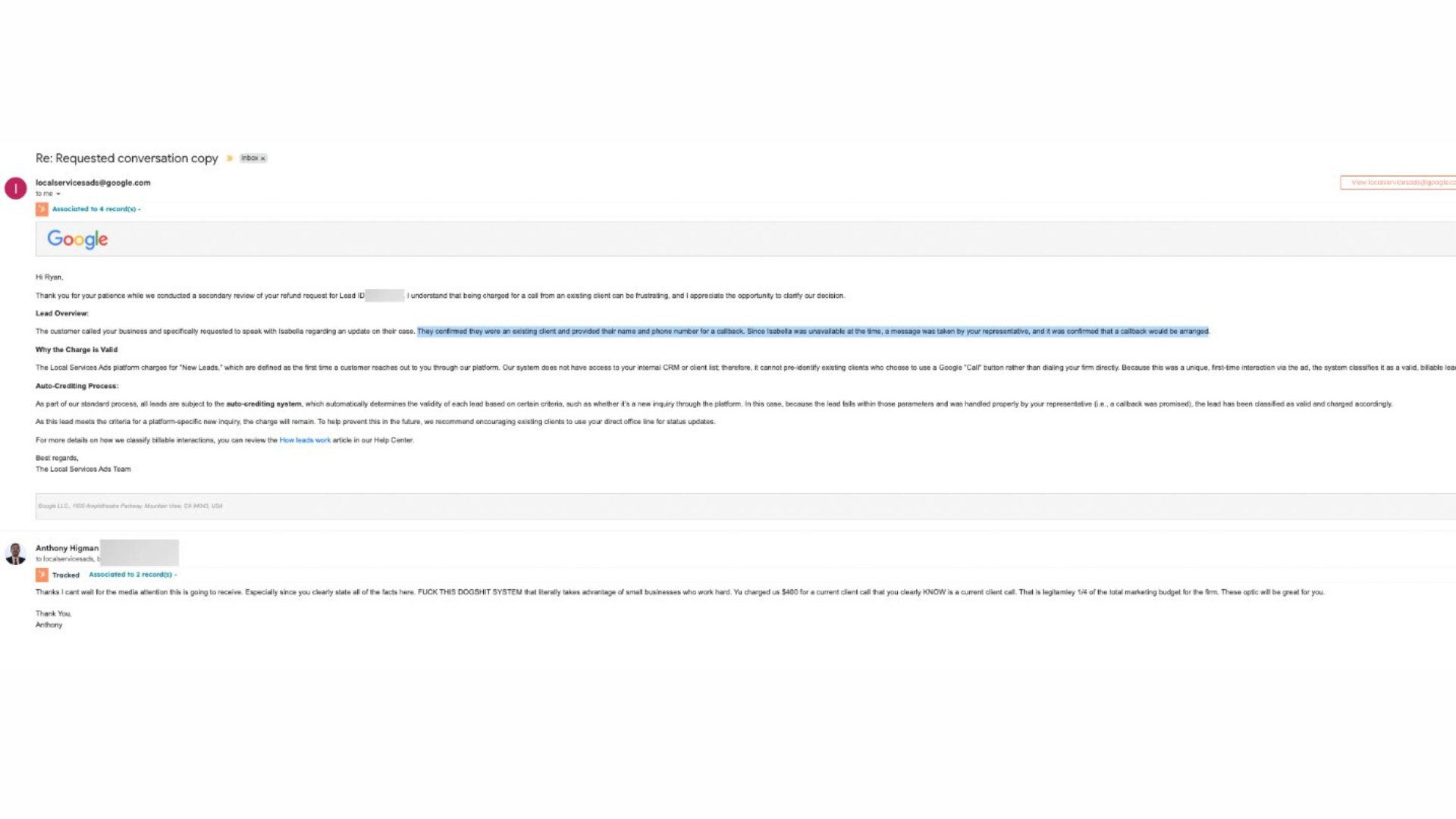
In this case, the call came through the firm’s Google Local Services Ads profile and was billed at roughly $400—a significant amount considering it represented a large portion of the firm’s monthly marketing budget. According to the firm, the caller was not a new lead but a current client calling for a case update.
The situation became more frustrating during the dispute process. After escalating the issue through multiple support channels, the advertiser reports that Google acknowledged the caller was a current client but declined to issue a refund.
For law firms that rely heavily on LSAs for lead generation, this raises an important question: how reliably the platform distinguishes between new leads and existing client calls.
Why This Matters
LSAs operate on a pay-per-lead model, meaning advertisers are charged for calls and messages that Google considers potential new business opportunities.
When the system works correctly, advertisers only pay for qualified new inquiries. But when existing clients, wrong numbers, or unrelated inquiries trigger charges, the economics of the platform can shift quickly—especially in high-cost verticals like legal services.
In this example:
- The call originated from a current client
- The advertiser reports Direct Business Search was not enabled
- The lead cost was approximately $400
- The dispute was escalated but ultimately not refunded
Even a single disputed lead can have an outsized impact when budgets are tightly managed.
The Broader Concern
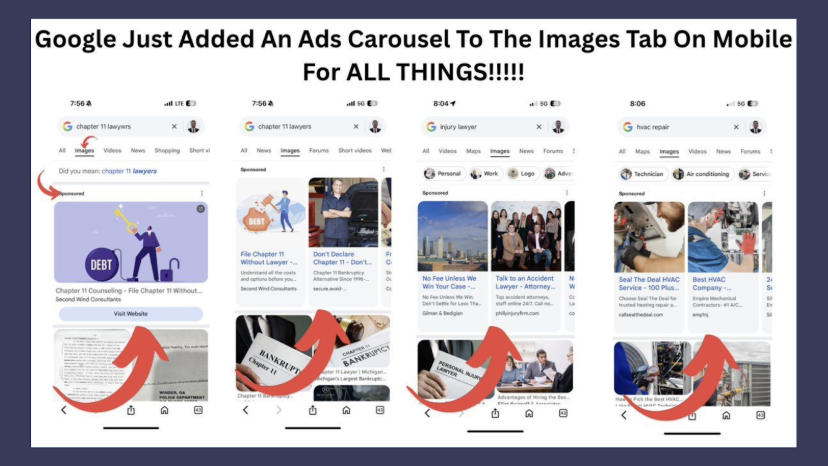
Over the past several years, Google has steadily adjusted how LSAs appear within search results.
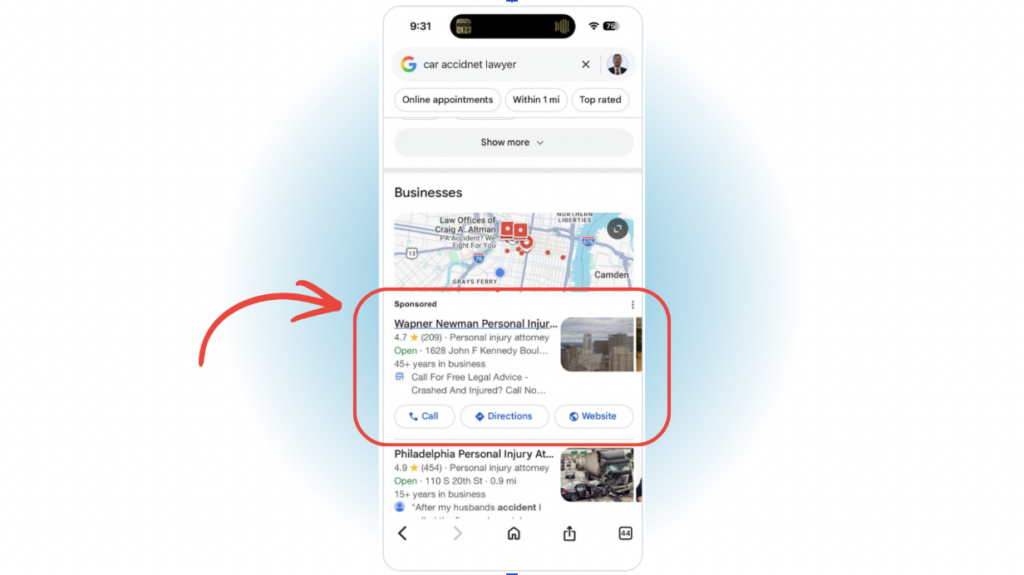
Many of those changes—including design updates that blend ads more closely with organic results—are intended to simplify the user experience. But they can also make it less obvious to consumers when they are clicking on an advertisement versus contacting a business directly.
When a current client mistakenly interacts with an ad listing instead of calling the firm directly, it can create confusion on both sides.
For law firms working with strict budgets and high lead costs, that confusion can translate directly into unexpected marketing expenses.
Our Take
LSAs remain one of the most powerful lead-generation tools available for law firms—but situations like this highlight the importance of transparency and fair dispute resolution.
The platform is built on the premise that advertisers pay for new potential clients, not existing relationships. When that distinction becomes unclear, it erodes trust in the system.
At minimum, advertisers need clearer visibility into how leads are classified and a reliable dispute process when mistakes occur.
What ADSQUIRE Is Doing
We closely monitor LSA lead quality and dispute outcomes to protect client budgets.
Lead Quality Audits
- Reviewing call recordings and lead details regularly
- Identifying existing-client calls or unrelated inquiries quickly
Proactive Disputes
- Filing disputes immediately when leads appear invalid
- Escalating questionable charges through account representatives when necessary
Budget Protection
- Monitoring cost-per-lead fluctuations closely
- Adjusting strategy if LSA efficiency declines
Client Education
- Helping firms guide existing clients toward direct contact methods when possible
- Reducing accidental interactions with paid listings
Bottom Line
Local Services Ads can deliver excellent results for law firms, but they are not immune to occasional misclassification or billing disputes.
When a single lead can cost hundreds of dollars, lead verification and active campaign management become essential.
At ADSQUIRE, we keep a close eye on LSA performance, dispute questionable charges when they appear, and make sure every advertising dollar is working as hard as possible for our clients.