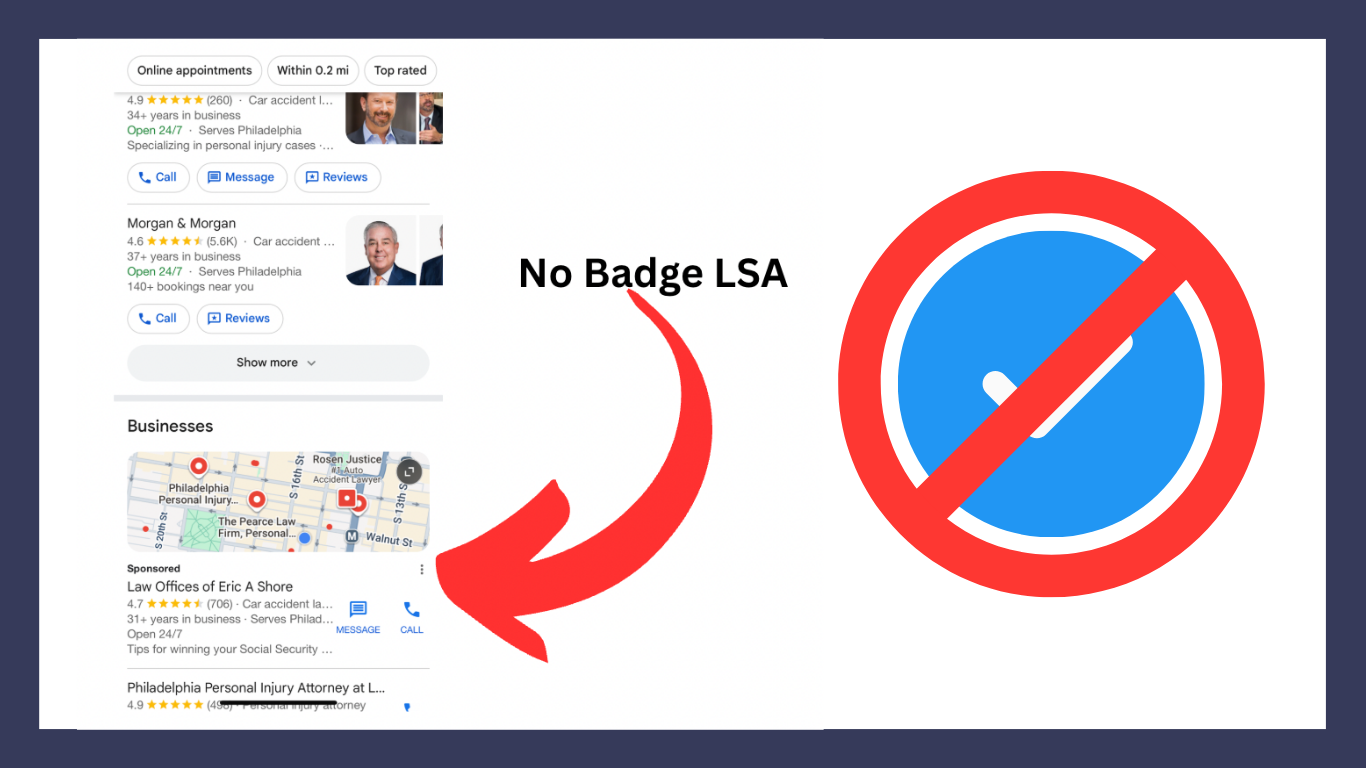
The new “no badges unless they influence a buyer’s decision” rule officially went live on October 27th, after Google quietly delayed it from the original October 20th date.
From now on, Local Services Ads (LSAs) will no longer automatically display their qualifying badges. They’ll still appear if a user clicks into a profile, but fewer than 20% of users ever take that step. The ones who do tend to be more qualified leads, already deeper in the decision-making process.
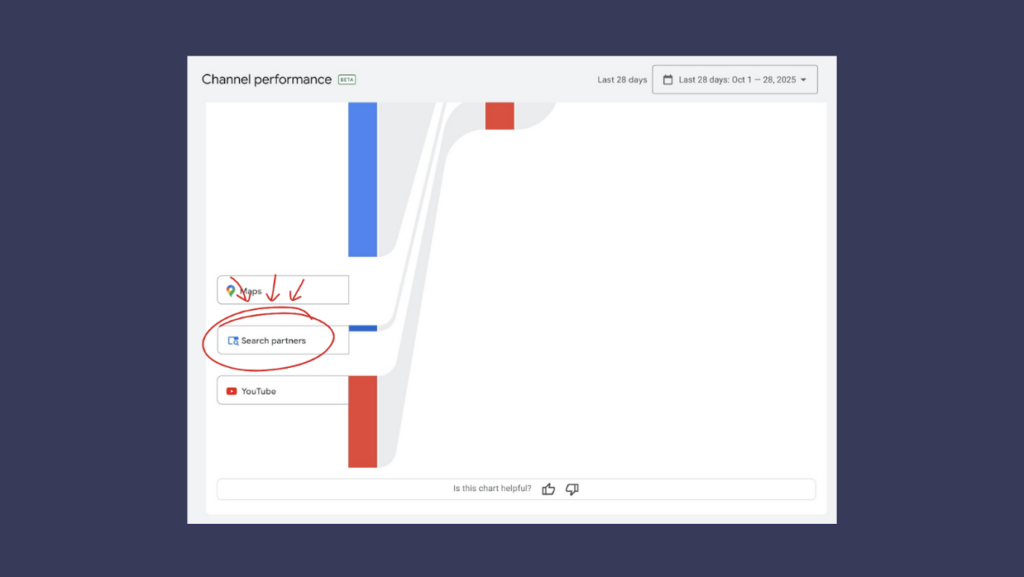
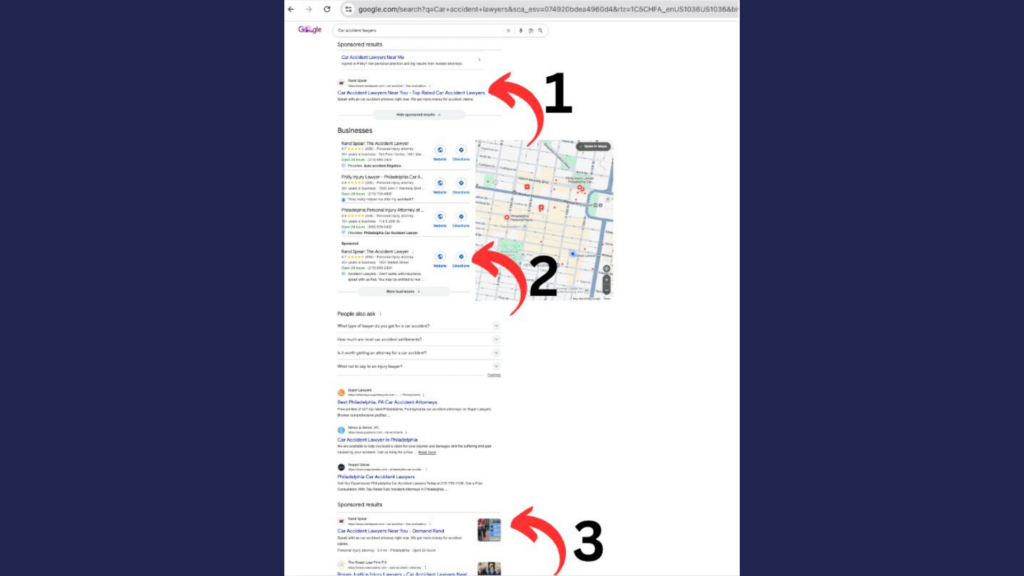
So what’s the reasoning behind this update? It seems pretty clear: Google wants LSAs to blend in. By removing visible badges, LSAs no longer stand out as sponsored placements—they now look nearly identical to PPC ads, and in some layouts, almost indistinguishable from organic listings.
This change gives Google more room to push LSAs further up the SERP, quietly blurring the lines between ad formats while making them feel more “native.” It’s another step in Google’s ongoing effort to expand the presence of LSAs and increase engagement without the obvious “ad” signals.
Why We Care
For law firms, this change is more than a visual adjustment — it’s a strategic shift in how Google structures the local search experience. LSAs have always existed in a somewhat “black box” ecosystem. You don’t control keywords, visibility can fluctuate, and Google’s algorithm decides when and where your ad shows.
Now, without the clear LSA badge, user perception becomes even harder to gauge. People might not realize they’re clicking an ad at all. That could boost engagement, but it could also inflate low-intent traffic — users browsing rather than ready to call.
Meanwhile, lead quality has remained inconsistent, even after years of updates. The same issues persist: fluctuating costs per lead, limited control over targeting, and unreliable filtering of spam or irrelevant calls. And while LSAs charge per lead rather than per click, that doesn’t make them cheap — especially for injury or mass tort verticals, where costs can easily top $500 per lead.
Ultimately, the lack of transparency combined with higher placement means LSAs could eat more real estate on the SERP — squeezing organic results and PPC visibility — while still leaving firms uncertain about the actual ROI behind those leads.
What We’re Doing
At ADSQUIRE, we’re watching this shift closely. Most of the firms we work with continue to see solid results from our free LSA strategy, which leverages profile optimization, responsiveness improvements, and targeted updates to maximize performance without direct ad spend. That approach continues to drive consistent, cost-effective leads across practice areas.
But with this new rollout, we’re also running controlled tests using paid LSA profiles in selected markets. The goal is to see whether the removal of badges meaningfully impacts click volume, conversion intent, and lead quality. If the new “native” presentation increases engagement without diluting lead value, that could justify incremental budget allocations for certain verticals.
That said, we’re not going all-in on LSAs. We still see more predictable, controllable results through traditional PPC campaigns, especially for firms that depend on detailed targeting, consistent visibility, and data-backed optimizations.
For now, LSAs remain a complementary channel, not a replacement. The smart play is balance: maintain strong PPC coverage for control and consistency, while keeping LSAs active (and monitored) for incremental visibility — especially as Google continues to blur the lines between paid and organic placements.