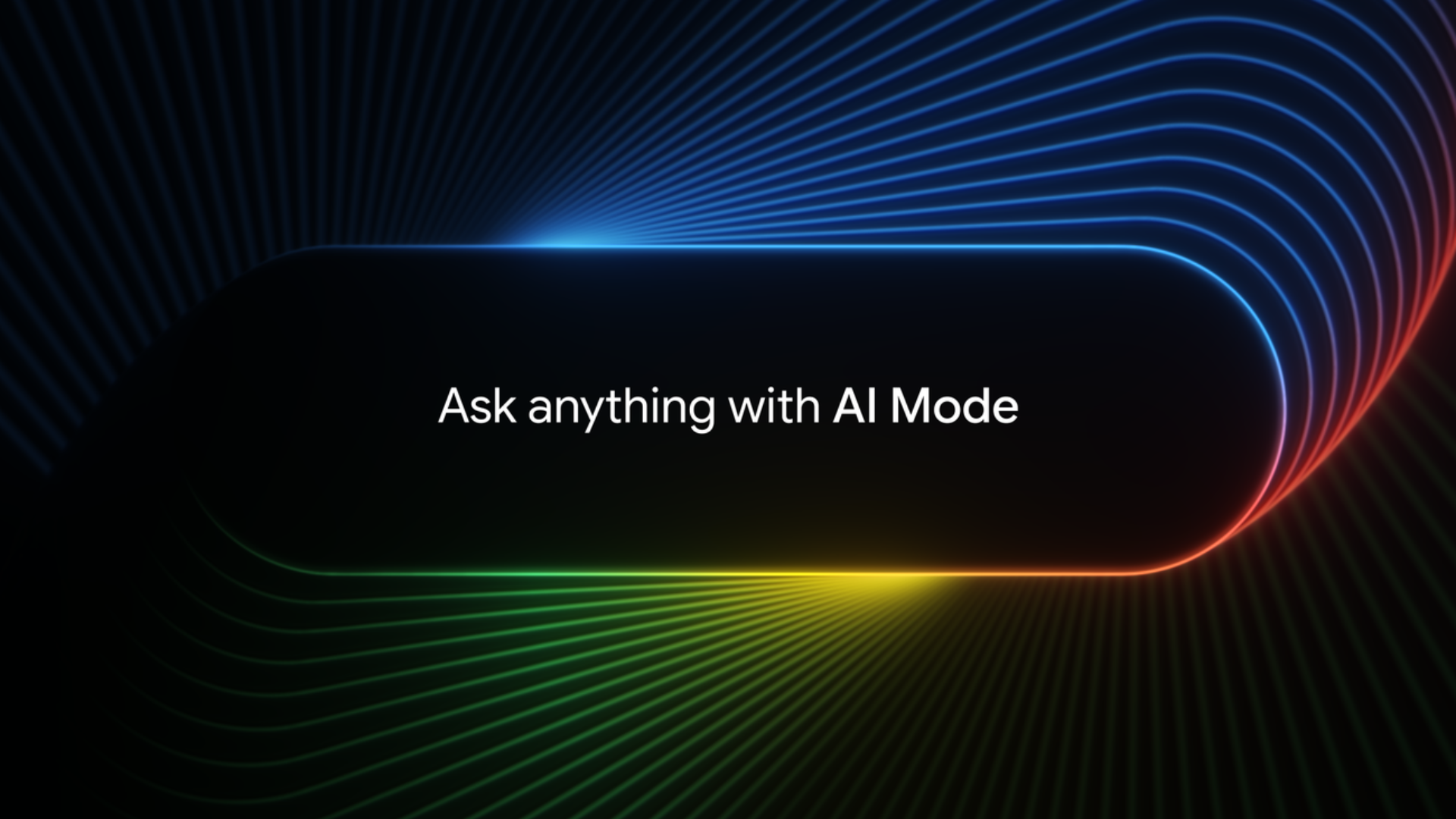
In mid-June, Google quietly flipped a switch that changed the search experience for millions of users across the U.S. — the nationwide rollout of AI Mode on both mobile and desktop. Announced earlier at Google Marketing Live (GML), AI Mode is Google’s latest (and most aggressive) step into generative AI. If it hasn’t taken over your screen yet, it will soon — because Google isn’t just testing this feature anymore. It’s promoting it hard, reshaping how users see results, and laying the groundwork for yet another ad-heavy format on the horizon.
Let’s break down what AI Mode actually is, how it stacks up to competitors like ChatGPT, and what it means for your digital strategy moving forward — especially if you’re in legal marketing.
So… What Is AI Mode?
At its core, AI Mode is Google’s attempt to blend traditional search results with AI-generated responses. Unlike Google’s AI Overview (AIO), which sits in a fixed position in some queries, AI Mode is interactive — allowing follow-up questions and adapting based on user input.
The most noticeable change? Placement. AI Mode is now:
- The default first tab in many searches (yes, even before the “All” tab)
- Pinned prominently above organic results
- Repeated at the bottom of AIOs, reinforcing its presence throughout the search flow
It’s colorful, clickable, and clearly designed to train users into relying on it — whether it’s helpful or not.
Early Impressions: Helpful or Hype?
Compared to dedicated AI tools like ChatGPT, Google’s AI Mode has a long way to go. It doesn’t quite “think” — it curates. Instead of reasoning through a query, it gathers and displays a wide array of results from across the web, sometimes with minimal context.
Here’s what we’ve observed:
Where It Delivers:
- Accepts follow-up questions, allowing some light interaction
- Presents a variety of sources, especially for broad or research-based topics
Where It Falls Short:
- Lacks depth — responses feel stitched together, not thoughtfully composed
- Inconsistency — repeat a search, and you’ll often get a different set of links
- Overly long results, even when it says it’s being selective
- Location-based queries (like “near me”) are frequently inaccurate
When AI Mode doesn’t quite understand your question — or your follow-up — it often defaults to showing the classic 10 blue links, almost like a quiet concession that it doesn’t have a good answer.
Ads Aren’t in It Yet — But They’re Coming
As of now, AI Mode is ad-free. But based on how Google has handled past product rollouts (like Shopping, P-Max, and AIOs), we’re not expecting that to last much longer.
This aggressive push feels like prep work for monetization — establishing user familiarity before injecting ads. And with Google’s announcement of new campaign types like AI Max, we’re already seeing the breadcrumbs.
Expect Google to prioritize advertisers using:
- Broad match
- Performance Max (P-Max)
- AI Max (a new campaign subtype designed for AI-based placements)
Even if AI Mode itself doesn’t host ads yet, Google is clearly building toward an ecosystem where these campaign types are required to participate in future AI-driven results.
What It Means for Your Legal Marketing Strategy
For law firms and legal marketers, AI Mode is more than a tech curiosity — it’s a sign that how potential clients find you is evolving fast.
- You’ll want to monitor how your firm’s brand appears in AI Mode responses, especially for key practice area searches.
- Since Google extracts answers directly from website content, clear, concise, and authoritative site copy has never been more critical.
- Testing broad match or P-Max campaigns early — even with small budgets — can position your firm for success as AI-powered placements become the norm.
- Local legal practices should double-check their location listings and accuracy to avoid losing leads due to AI inaccuracies.
Final Thoughts
AI Mode is clunky. It’s inconsistent. It’s not even the best AI product out there. But none of that matters — because Google is all in. And when Google bets big, the ad ecosystem eventually follows.
Whether you manage search campaigns for law firms, focus on local SEO, or simply want to understand how potential clients find you online, staying ahead of these changes is no longer optional.
We’ll be tracking what’s next — including when those ads inevitably show up — and what you can do to stay competitive.
https://youtube.com/shorts/buDiv2B2x_M