If you’ve spoken to a Google rep recently, you’ve probably heard about Google Tag Gateway. The pitch is consistent:
“It’s super easy. It takes four minutes. It converts third-party data into first-party data.”
On the surface, that sounds harmless, even helpful. But when phrases like “turns third-party into first-party data” get thrown around casually, it deserves a closer look- especially in a regulated, high-liability industry like legal.
So what is it, in simple terms?
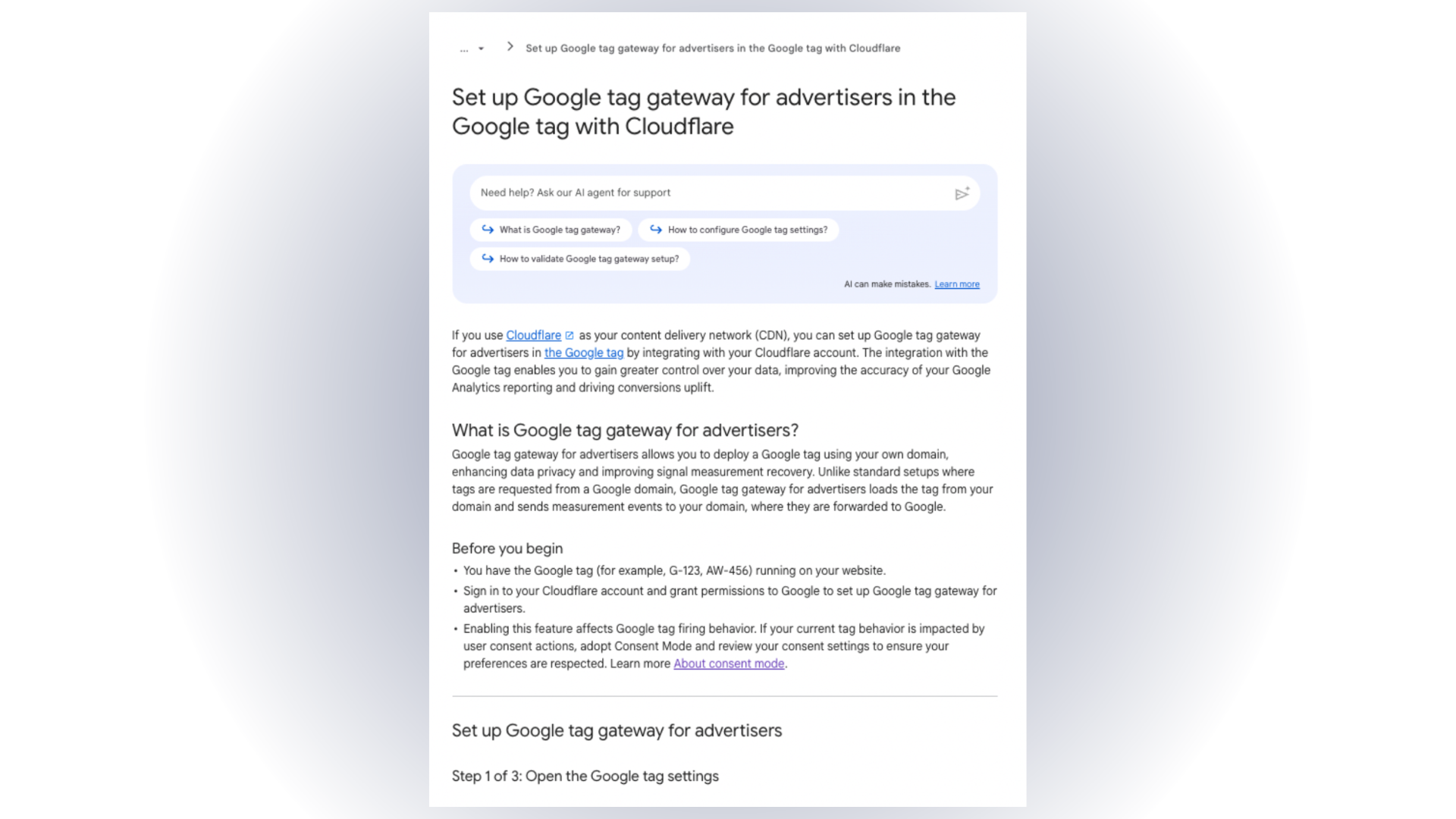
Google Tag Gateway is essentially a way to route your tracking tags (like Google Ads and GA4) through your own domain instead of directly from Google’s servers. In theory, this makes tracking signals appear as “first-party” from a browser perspective, which can help with signal durability as cookies continue to phase out. In other words: it’s a workaround to preserve tracking accuracy in a privacy-restricted world.
That’s the technical upside. The strategic and legal implications, however, are where things get more tricky.
How Will This Impact Your Firm?
- More resilient tracking signals – Routing tags through your domain may help preserve attribution accuracy as browsers restrict third-party cookies.
- Greater reliance on first-party infrastructure – Google is clearly shifting responsibility toward advertisers to maintain clean, consented data flows.
- Potential compliance considerations – When tracking is routed through your domain, questions around consent, disclosures, and data handling become more directly tied to your business.
- Less “plug and play” than it sounds – While the setup may be technically quick, understanding the data flow and liability implications is not.
Our take: Google isn’t pushing Tag Gateway out of generosity- it’s pushing it because signal loss hurts its ad ecosystem. As privacy standards tighten globally, Google is incrementally shifting more control (and arguably more responsibility) to advertisers.
That doesn’t automatically make Tag Gateway bad. In fact, for firms serious about long-term attribution and performance tracking, server-side and first-party data strategies are becoming essential. But the framing matters. “It only takes four minutes” is not the same thing as “you fully understand how this affects your compliance posture.”
For law firms especially, any tool that touches user data should be evaluated not just for performance impact, but for legal exposure and consent alignment as well.
As tracking continues to evolve, the firms that win won’t just install every new feature- they’ll implement the right ones, intentionally, with clarity around both performance and risk.