Google Pushes Agentic AI for Shopping: What It Could Mean for Law Firm Advertising
In November 2025, Google rolled out major updates to its AI shopping and agentic technology, signaling a clear push toward automation and AI-driven interactions. While these updates are aimed at holiday shopping and e-commerce, the broader implications for service-based industries, including law firms, are worth noting. Google isn’t just responding to user behavior—it’s actively shaping it, nudging people to rely on AI to handle interactions and make decisions.
What Google Is Rolling Out
- Conversational Shopping in Search
In AI Mode, users can now describe what they’re looking for—like “cozy sweaters for happy hour” or “moisturizers for sensitive skin”—and receive rich, visual responses that include price, reviews, and inventory. Google is designing the system to be a one-stop shopping assistant, reducing the need for manual search. - Gemini App Shopping Features
Users can move from brainstorming to browsing entirely within the Gemini app. AI provides product listings, comparison tables, pricing, and store availability—all integrated into a conversational interface. This is another example of Google creating experiences where AI takes the lead in guiding decisions. - Agentic AI for Local Inventory and Checkout
Perhaps the most significant update is agentic AI functionality. Google now allows AI to:- Call local stores to check stock and pricing.
- Track prices and, with user confirmation, automatically purchase products via Google Pay once they hit target prices.
- Call local stores to check stock and pricing.
- Powered by Duplex and Gemini model upgrades, Google is essentially acting as a digital agent on the user’s behalf, controlling the process rather than leaving it to manual action.
- Misrepresentation Policy Update
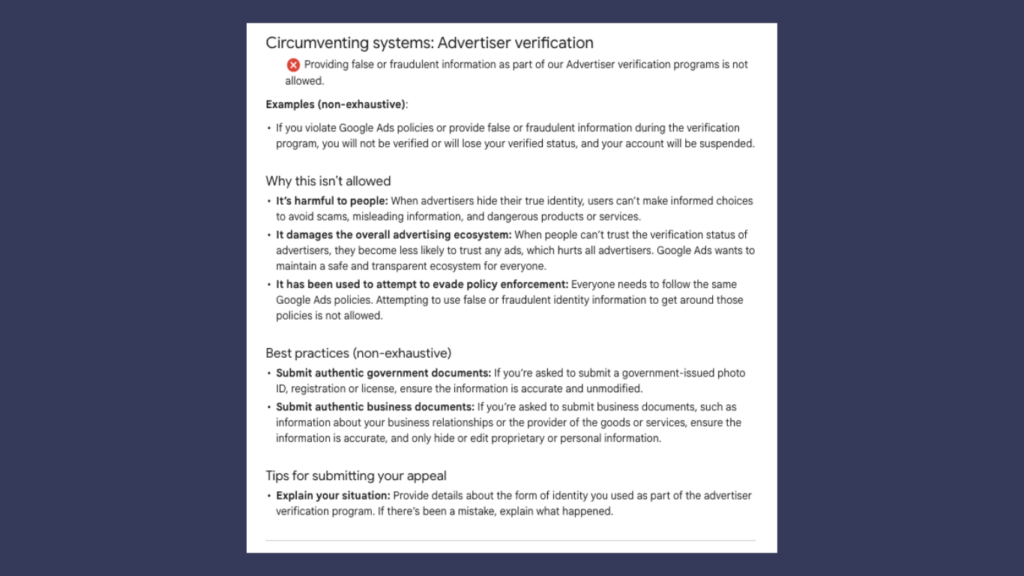
Concurrently, Google updated its Misrepresentation policy, especially around pricing transparency. This ensures that as AI acts on users’ behalf, it is relying on accurate, trustworthy information, further reinforcing Google’s control over the agentic experience.
Why This Matters Beyond Retail
While designed for holiday shopping, these developments indicate that Google is actively pushing users toward AI-driven interactions, not merely responding to behavior:
- AI Initiates Contact, Not Just Suggestions
Users could be prompted to let AI contact multiple law firms or service providers simultaneously. Google is positioning itself as the intermediary, rather than just a search tool. - Intake Processes Must Adapt
If AI initiates inquiries at scale, firms must respond quickly to maintain a competitive edge. This shifts the burden from capturing attention through search rankings to ensuring rapid, high-quality follow-up. - Data Accuracy Is Critical
Because Google’s agentic AI acts on the information it finds, outdated or misleading content on a firm’s website could misrepresent the firm, impacting potential clients before human interaction even begins. - Increased Emphasis on Real-Time Engagement
Google’s push ensures that firms who respond efficiently are more likely to convert leads. Lagging response times may mean missing opportunities, even for firms that are otherwise highly visible in search results.
Our Take
Google is clearly steering the market toward agentic AI interactions. These updates demonstrate:
- Proactive AI Engagement – Google is creating situations where the AI initiates action, reducing the need for users to manually contact multiple providers.
- Heightened Competition for Responsiveness – Firms must now be ready for a potential surge of AI-driven inquiries.
- Accuracy and Compliance Matter More Than Ever – As AI acts on behalf of users, any inaccurate or outdated information could have outsized consequences.
What ADSQUIRE Is Doing
- Monitoring agentic AI rollouts to evaluate how they influence lead generation and inquiry volume in service verticals.
- Advising clients on rapid-response protocols to ensure timely engagement with AI-initiated contacts.
- Auditing website and profile data to guarantee accuracy, clarity, and compliance.
- Testing early opportunities to understand how agentic AI may alter clicks, calls, and inquiries before this functionality becomes widespread.
Bottom Line:
Google is no longer just providing tools—it’s actively pushing agentic AI as a first point of contact. For law firms, this means a potential surge in pre-qualified, AI-initiated leads. Firms that can respond quickly, maintain accurate information, and adapt their intake processes will be best positioned to thrive in this new AI-driven landscape.